Gravel Road Installation in Houston, TX
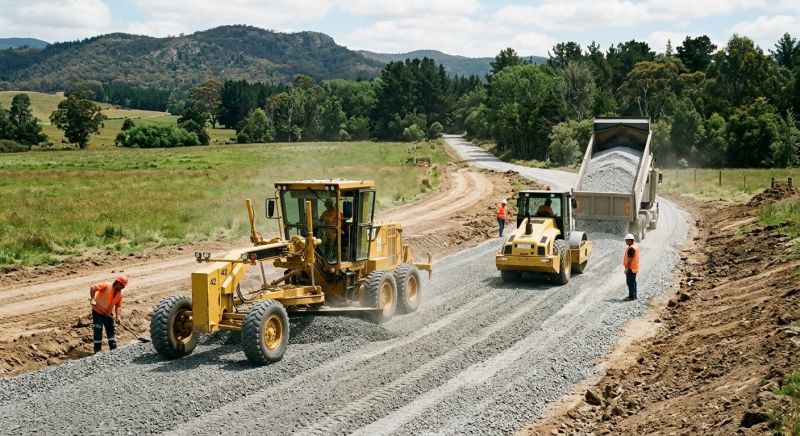
Gravel road installation services involve preparing and laying down gravel surfaces on properties for driveways, pathways, access roads, or other outdoor areas. This process typically includes grading the land to ensure proper drainage, spreading the gravel evenly, and compacting it to create a stable, durable surface. These projects are often chosen for their affordability, ease of maintenance, and suitability for rural properties, farms, or areas where a simple, functional access route is needed.
Property owners considering gravel road installation usually want to understand the scope of the project, including the preparation work involved, the types of gravel best suited for their needs, and how the finished surface will perform over time. It’s also helpful to consider factors such as the size of the area to be covered, existing terrain conditions, and any future maintenance requirements. Clear information about the process can assist homeowners in making informed decisions for their outdoor space improvements.
Many property owners in Houston, TX look into Gravel Road Installation for repairs, replacements, upgrades, and appearance-related improvements.
Benefits Of Gravel Roads
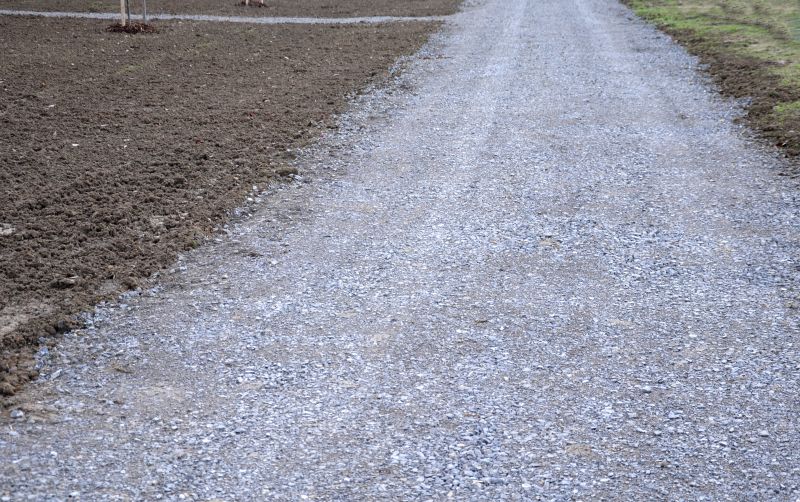
Gravel roads provide a durable and cost-effective surface for driveways and access paths.
Common Gravel Road Projects
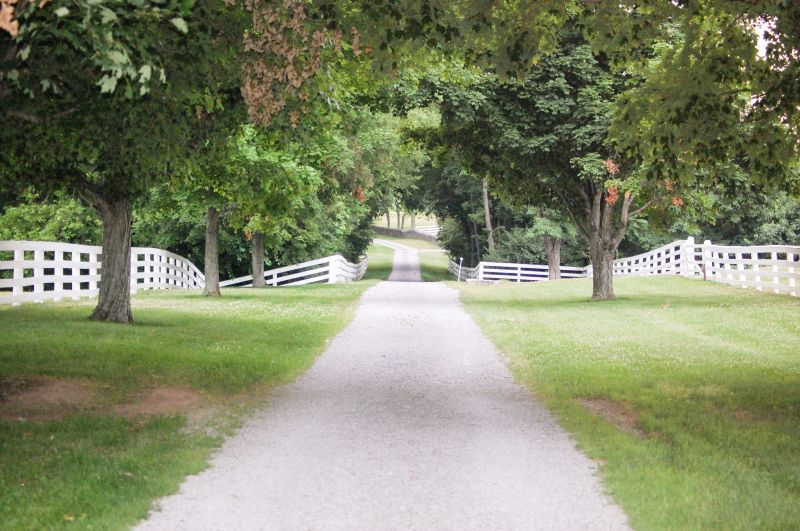
Many property owners in houston choose gravel for driveways, parking areas, and rural access roads.
Maintenance Considerations
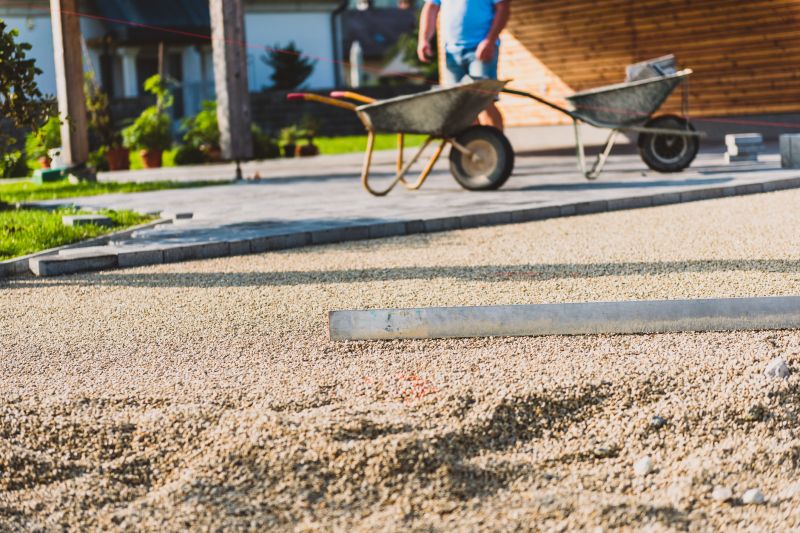
Regular grading and adding fresh gravel help maintain a smooth and stable gravel road surface.
Gravel Road Installation in Houston, TX
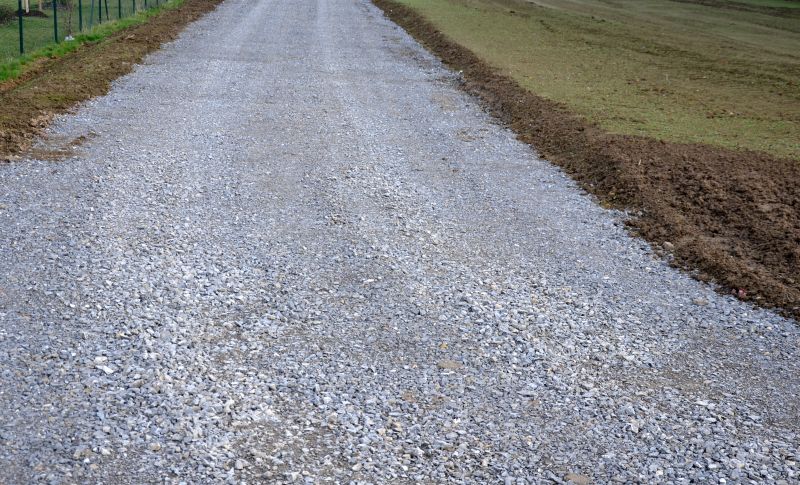
Gravel road installation services involve preparing and laying down gravel surfaces on properties for driveways, pathways, access roads, or other outdoor areas. This process typically includes grading the land to ensure proper drainage, spreading the gravel evenly, and compacting it to create a stable, durable surface. These projects are often chosen for their affordability, ease of maintenance, and suitability for rural properties, farms, or areas where a simple, functional access route is needed.
Property owners considering gravel road installation usually want to understand the scope of the project, including the preparation work involved, the types of gravel best suited for their needs, and how the finished surface will perform over time. It’s also helpful to consider factors such as the size of the area to be covered, existing terrain conditions, and any future maintenance requirements. Clear information about the process can assist homeowners in making informed decisions for their outdoor space improvements.
Many property owners in Houston, TX look into Gravel Road Installation for repairs, replacements, upgrades, and appearance-related improvements.
Common Gravel Road Installation Jobs
Gravel Driveways - Provides a durable and cost-effective surface for vehicle access.
Walkways and Pathways - Creates functional and attractive routes across property landscapes.
Parking Areas - Enhances outdoor parking with stable gravel surfaces.
Garden and Landscape Borders - Defines garden beds and landscape features with gravel edging.
Erosion Control - Stabilizes slopes and prevents soil erosion on uneven terrain.
Construction Access Roads - Supports heavy equipment movement on construction sites.
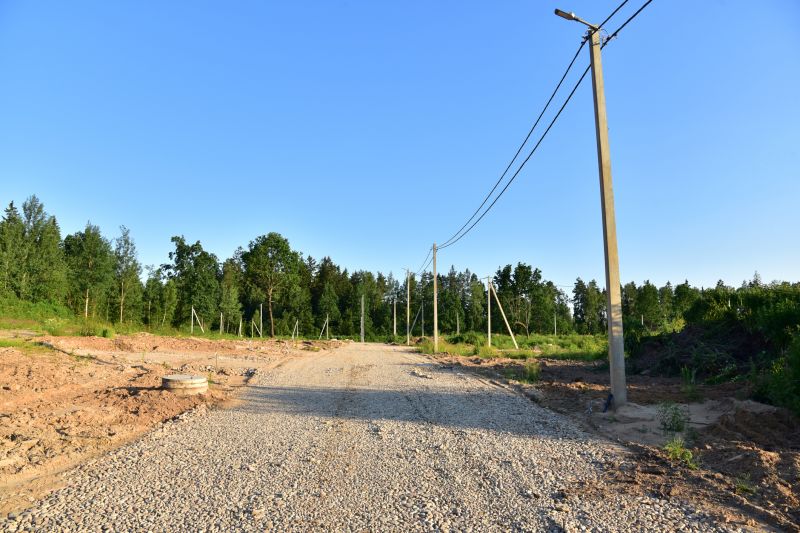
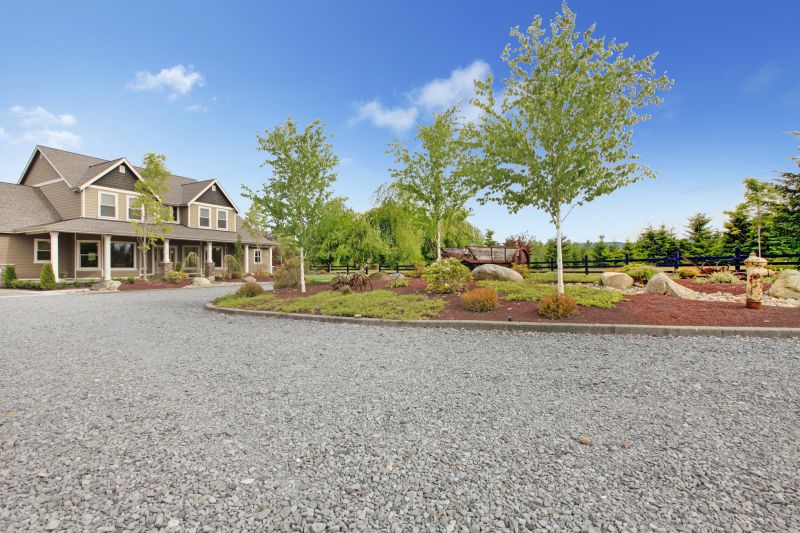
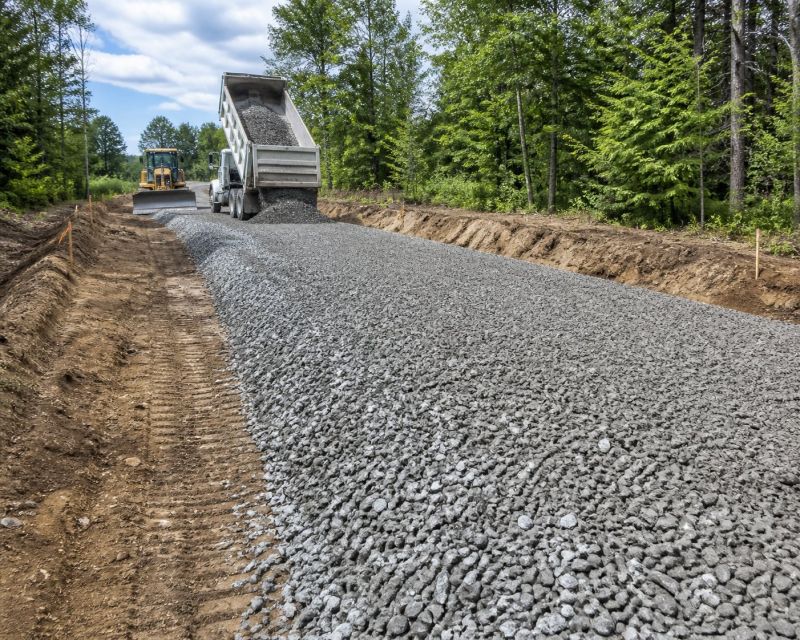
Gravel Road Installation Questions
What is involved in gravel road installation? The process includes preparing the ground, adding a gravel base, and spreading the gravel evenly to create a stable surface.
What types of properties benefit from gravel roads? Gravel roads are suitable for driveways, pathways, and access routes on residential or rural properties.
How long does a gravel road last? Properly installed gravel roads can last several years with regular maintenance and regrading as needed.
Are there different gravel options available? Yes, various gravel types are used depending on the project, including crushed stone, limestone, and other aggregates.
Request Gravel Road Installation in Houston, TX
Use the quote form on this page to share the basics of your project and request more information for the type of work you need.